Adelaide University is delivering 25 community shellfish reefs as part of the Rebuilding South Australia’s Lost Shellfish Reefs Program, led by the Department for Environment and Water.
In partnership with Eyrelab, Dr Dominic McAfee will use the reefs to establish ecological and socioeconomic evidence to inform future reef restorations.
Reefs are constructed using biodegradable mesh bags, filled with recycled oyster shell from local farmers.
The team and community co-design reef locations in accessible locations to help
restore habitat and support biodiversity
build long-term ecosystem resilience
improve local water quality
support healthier and happier communities
Project Team
-
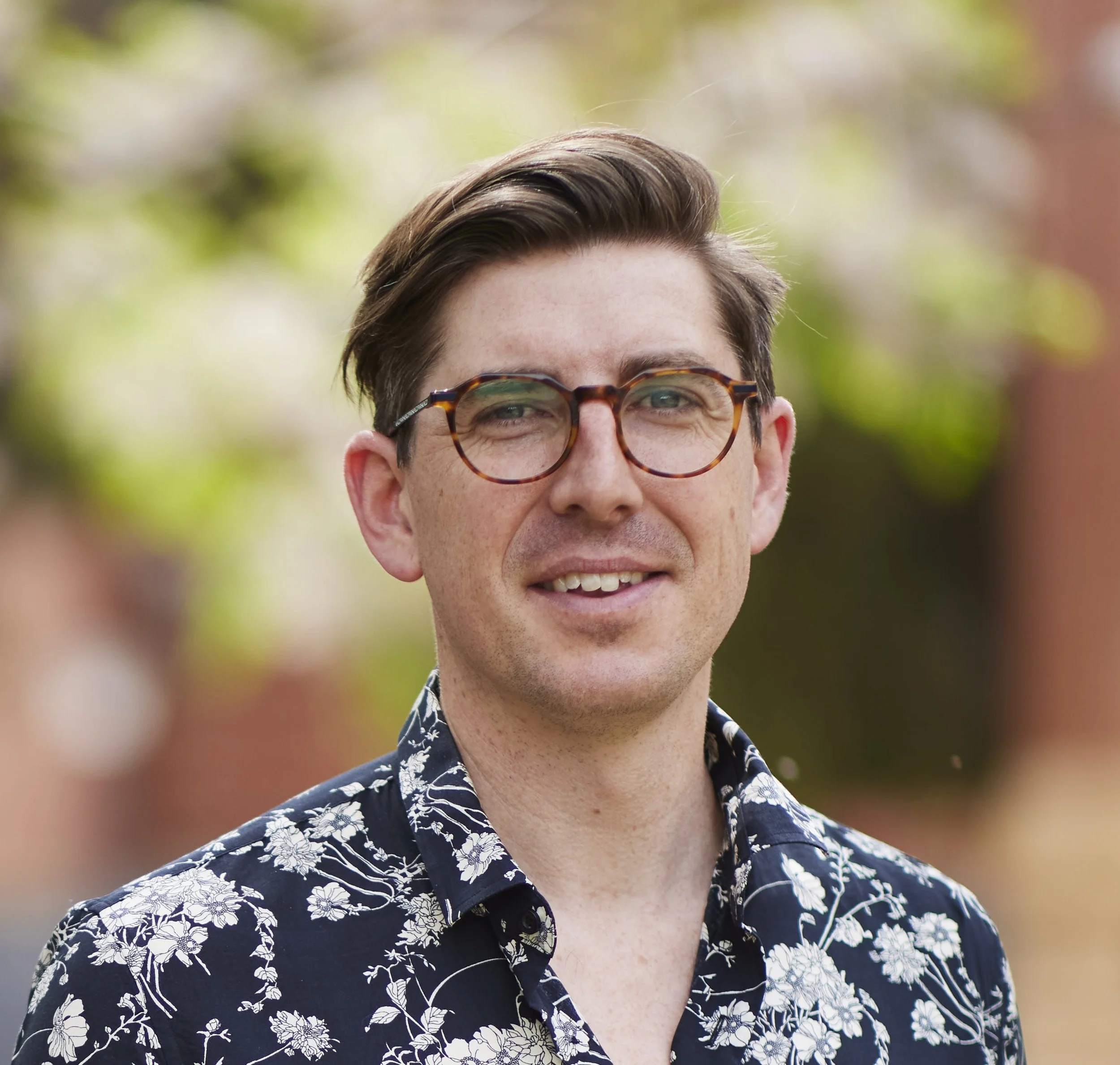
Dr Dominic McAfee
PROJECT LEAD
-

Manny Katz
DIRECTOR OF EYRELAB
-
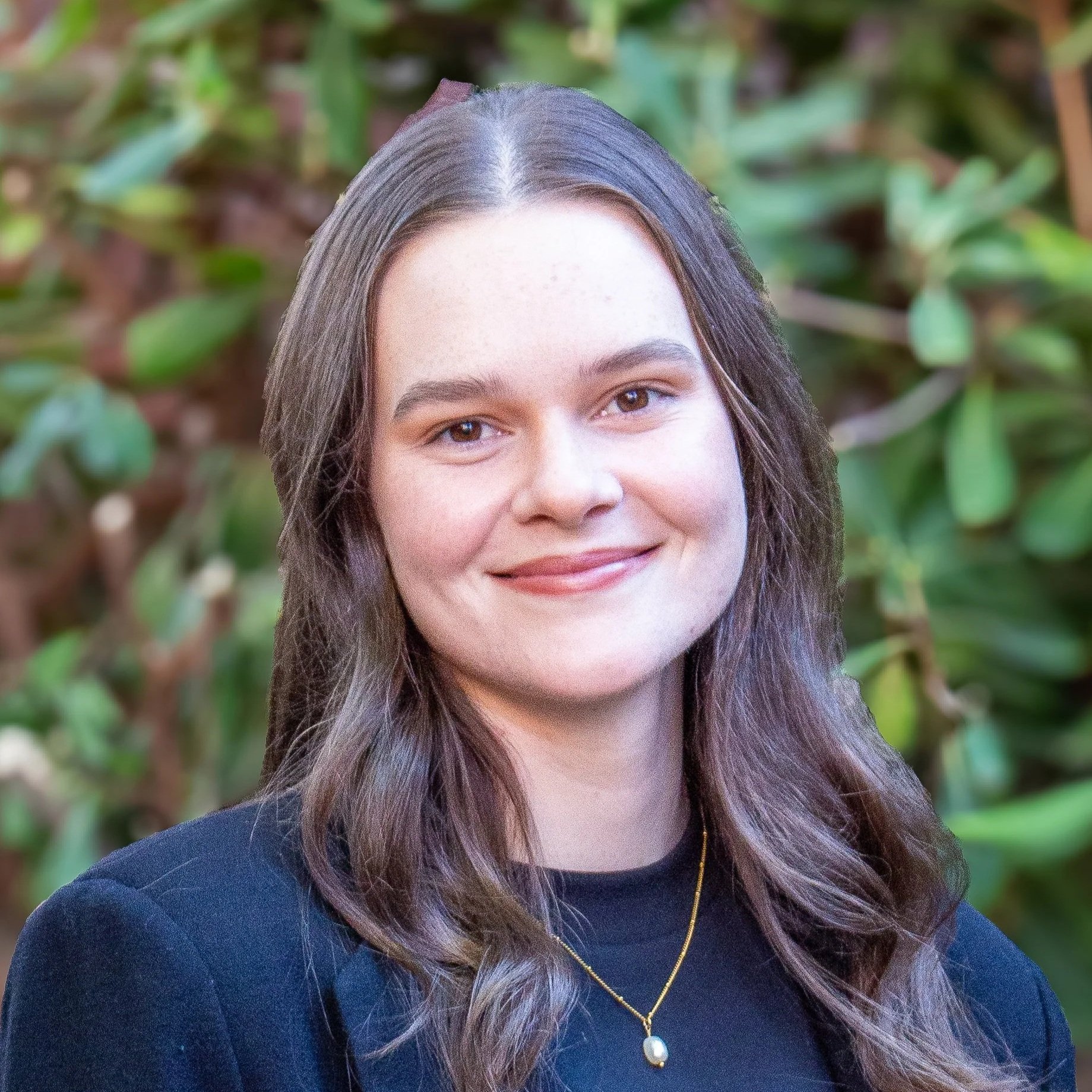
Dr Mary Hart
POST DOC RESEARCHER
Contributors
-
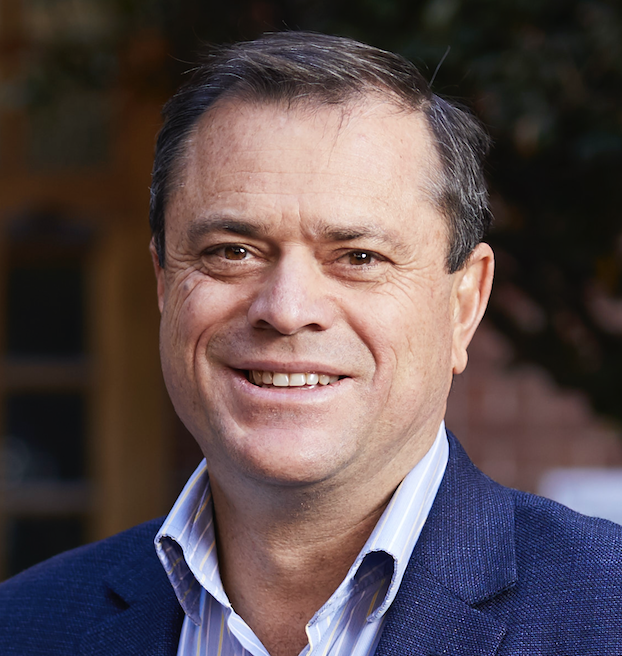
Prof. Sean D. Connell
MARINE ECOLOGIST
-
Nichole Lindsey
PHD RESEARCHER
-
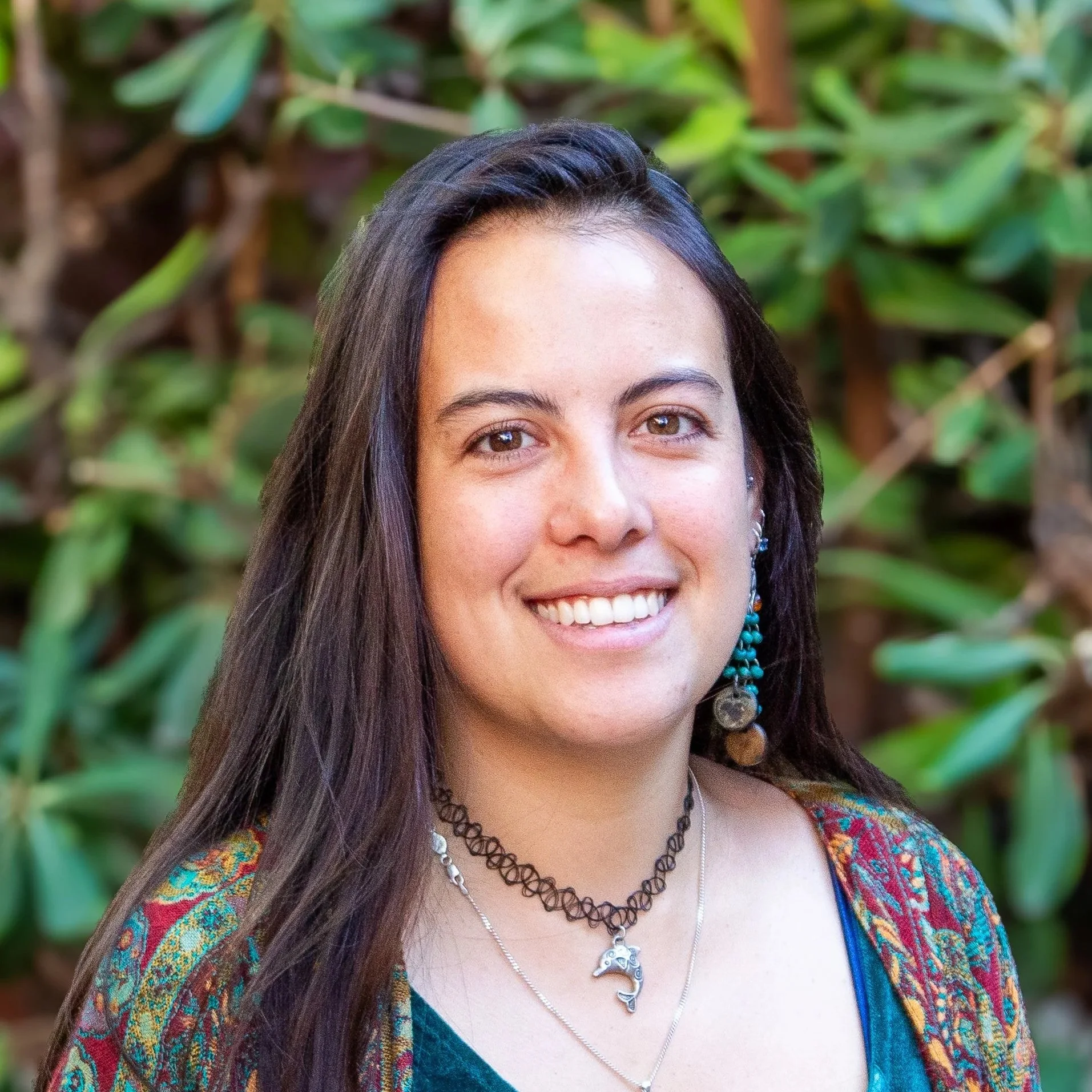
Nicole Currie
PHD RESEARCHER
-
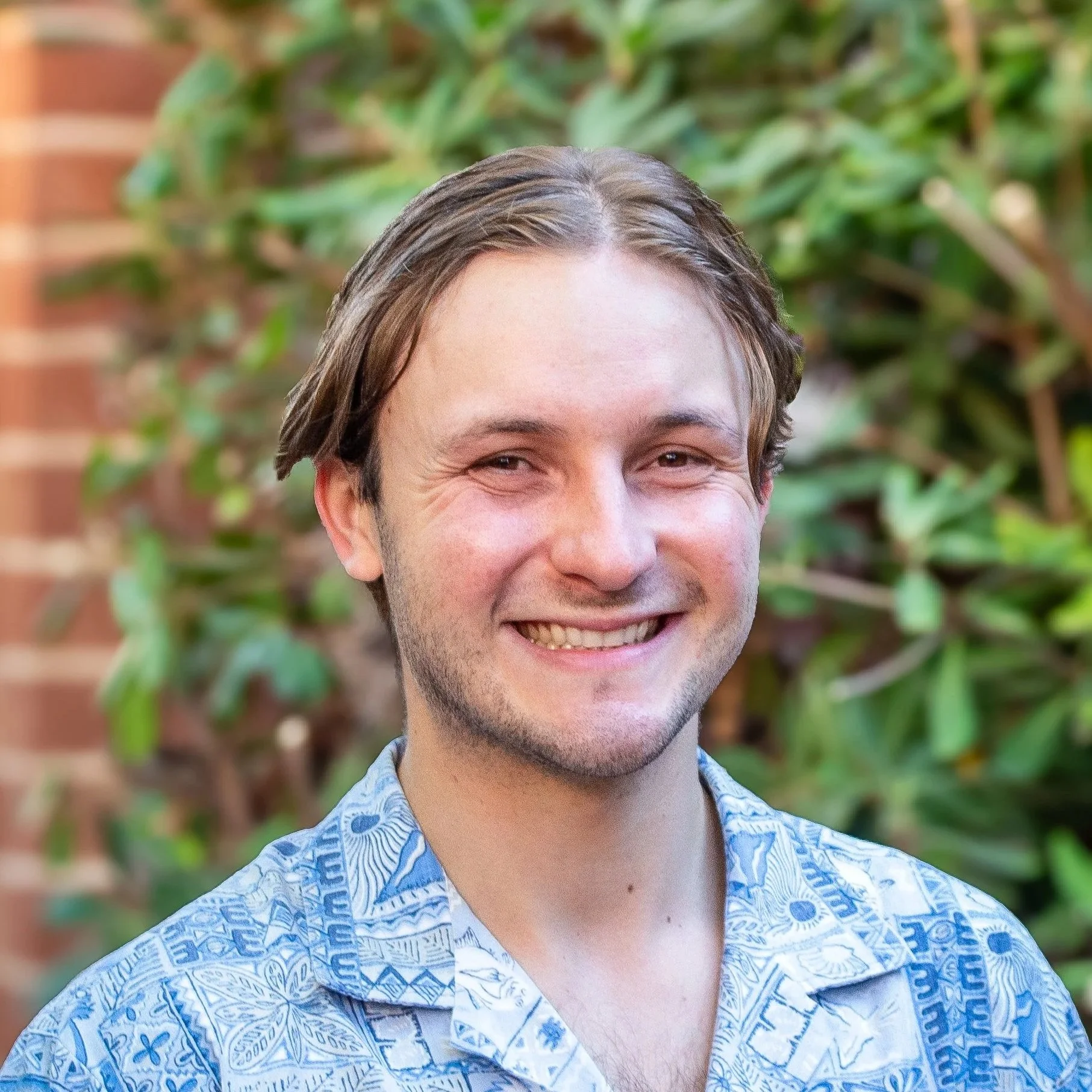
Sebastian Reyes-Hewitt
PHD RESEARCHER
-
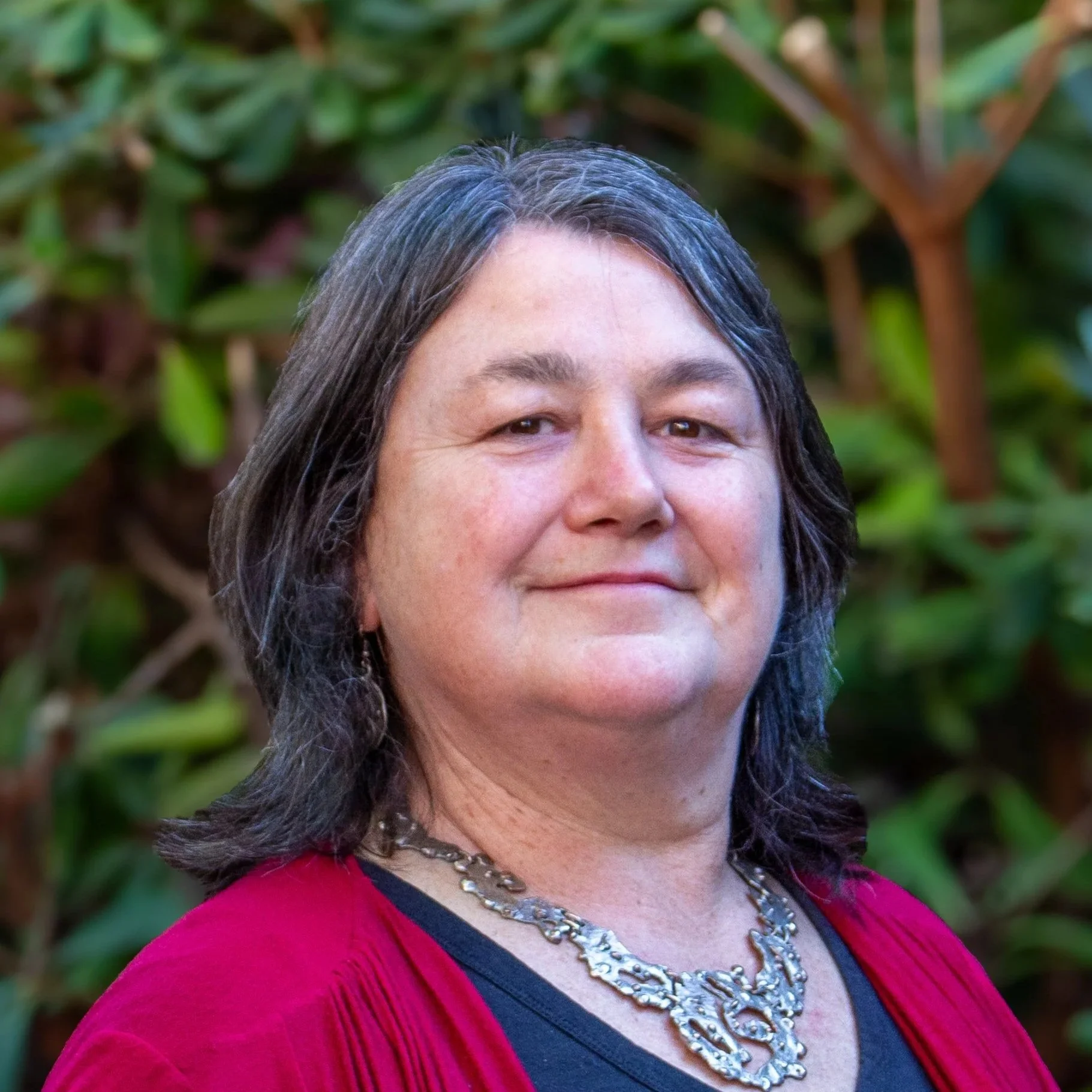
Michelle Holian
PHD RESEARCHER
-
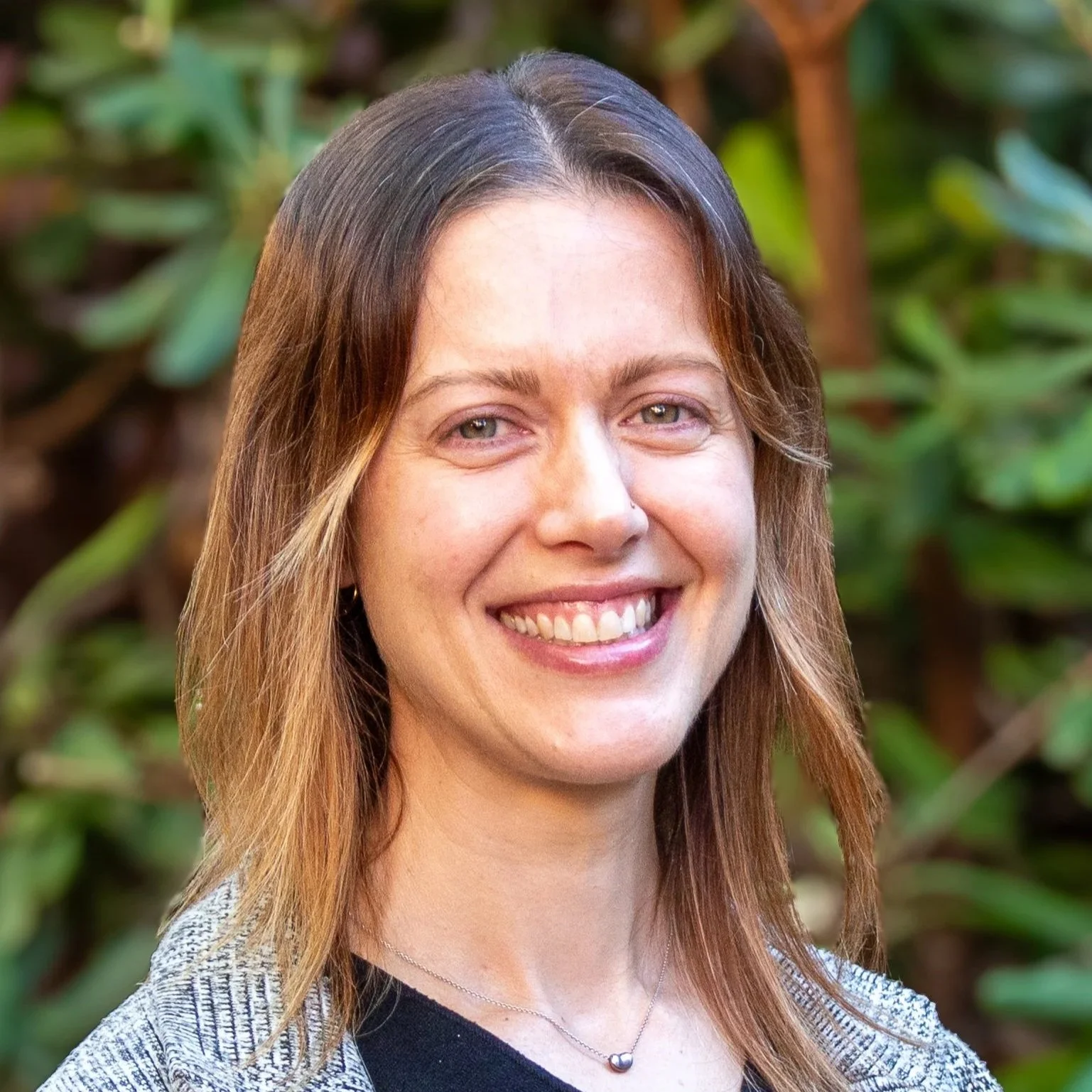
Catryn Zappia
GRADUATE RESEARCHER
-
Oscar Seppelt
GRADUATE RESEARCHER
“From little things, big things grow”
Reef Sites
-
Established in February 2025, this reef has been expanded under the project.
-
Established in February 2025, this site has been expanded under the project.
-
Established in January 2026 at Tunarama Festival.
-
Established in April 2026.
-
Established in April 2026
-
Established in May 2026
Frequently Asked Questions
-
Reef substrate for the Adelaide University reefs is created using recycled Pacific Oyster shell received from the South Australian aquaculture industry.
The shell is sun cured and processed to meet biosecurity requirements. It is then packed in bags constructed from BESE biodegradable mesh. The mesh maintains integrity for up to 5 years, allowing enough time for native shellfish larvae to settle and form the new reef.
Shell bags are about 70cm long with a 30cm diameter and weigh around 8kg. This size makes them easy to lift and move by hand.
-
Each reef is a little different. The size and layout depend on what we are trying to learn, and what each location is like.
At each site, Adelaide University has approval to place shell bags within a 1-hectare area. This gives us room to choose the best spots and avoid sensitive habitats such as seagrass and seaweed.
The Adelaide University community-based reefs will only cover a small part of that area, at first about 1% of the 1-hectare but will grow in time with community participation. We can collect useful research data from about 50 bags, but we plan to start with up to 300 bags and add more over time. Permits allow up to 600 bags at each site.
The easiest way to understand a reef’s size is to see it in person by snorkelling or diving over it. See Reef Sites for details.
Cutty’s Glass Bottom Boat Tours also offer Oyster Reef Regeneration Tours at some locations.
-
Sites are selected where historic shellfish reefs were known to have existed and current native oyster larvae recruitment is evident.
Suitability is considered alongside input from First Nations and Traditional Owners, industry, regulators, councils, local interest groups and the broader community through targeted consultations and public forums, where possible.
This helps ground-truth potential sites and narrow down the most suitable locations for community.
This is a South Australian Government-led process, with final site selection subject to government approval.
Reefs also require the following attributes:
100m radius of seafloor, largely unencumbered by seagrass
Shallow subtidal with depths of approximately 1 – 2 m at low tide, where feasible
Limited use area (e.g. not a navigational channel or high activity zone)
Accessible for snorkeling and citizen science
Away from historic fish traps and aquaculture / commercial fishing grounds
Outside sanctuary zones.
-
Once sites are selected* a Permit to Release Aquatic Resources must be obtained from the Department for Primary Industries and Regions (PIRSA) to ensure the project meets the requirements of the Fisheries Management Act 2007.
Before conducting the permitted activity, the permit holder or agent must contact PIRSA FISHWATCH and answer a series of questions to ensure compliance with the permit.
Prior to deployment, the Department for Infrastructure and Transport Marine Safety are informed of any potential safety concerns and a Notice to Mariners is issued.
Development Approval is not required for shellfish reefs under the Planning, Development & Infrastructure Act 2016 unless they fall within a local council area or are associated with a State Heritage Place. There are currently no Adelaide University shellfish reefs that meet these criteria. However, Adelaide University undertakes consultation with regulatory bodies and Government agencies to seek endorsement of the sites.
The Adelaide University shellfish reefs avoid seagrass impact and so do not require native vegetation clearance approval under the Native Vegetation Act 1991.
*Refer to ‘How are reef locations decided?’ to learn more about the consultation and selection process.
-
Because we create reefs in regional areas, volunteers are largely sourced and managed by local interest groups.
Eyrelab, who manage the Shell Recycling Centre in Coffin Bay, also host community working bees. See their website for details.
Keep an eye on our events page or subscribe to our newsletters for other local events and ways to get involved.
-
No. The best place for spent shell is in your green bin.
We follow strict biosecurity measures, use local shell and require permitting to release aquatic resources into the ocean. -
Restored reefs are for habitat recovery.
Harvesting of oysters or other shellfish from restored reefs is not advised at any stage.
-
Shellfish reef restoration aims to support fishing long-term. Normal rules apply unless signposted during construction, where a temporary closure protects the reef while it establishes and allows marine life to settle. Do not anchor directly on reefs.
Reef management guidelines, including fishing access will be developed as part of the Rebuilding South Australia’s Lost Shellfish Reefs Program.
-
Filter-feeding shellfish, including oysters, can improve localised water clarity in suitable conditions, but their capacity is limited relative to the scale and drivers of large harmful algal blooms.
Large blooms are driven by a combination of drivers. Shellfish reefs are one element of a broader restoration and recovery response.
Restored reefs experienced bloom impacts and are not considered immune to future events.
-
You can reach us anytime via our online contact form or email us on shellfishreefs@adelaide.edu.au.
We are often in the field but aim to respond within 5 working days.
The Community-based Shellfish Reef Restoration Project also known as the 25 Reefs Project is delivered by Adelaide University and was established in January 2026 under the Algal Bloom Summer Plan.
Eyrelab are a key delivery partner and sub-contract to Adelaide University.
The Project is delivered as part of the Rebuilding South Australia's Lost Shellfish Reefs Program, a multi-year initiative to rebuild lost shellfish reef habitat across South Australia's coastal waters. It is led by the Department for Environment and Water and delivered in partnership with The Nature Conservancy, Adelaide University, and OzFish. It is supported through joint investment by the South Australian Government and Australian Government.
The team are Environment Institute members.
